
How Landscape Design Helps Bring Outdoor Ideas to Life
A beautiful outdoor space usually starts with a simple idea. A homeowner may picture a quiet patio, a colorful garden, a cleaner front entry, or a backyard that finally feels useful for everyday life. However, turning those ideas into a practical plan can be difficult without the right structure. Outdoor spaces include many moving parts, from sunlight and drainage to walkways, plants, seating areas, and maintenance needs.
That is where landscape design can make a meaningful difference. Instead of treating the yard as a collection of separate projects, design brings every detail into one clear vision. It helps property owners understand how the space can look, how it can function, and what steps are needed to bring the project together.
Creating Clear Outdoor Goals
Every successful project begins with a strong sense of purpose. Some homeowners want a better place to entertain guests, while others want more privacy, shade, color, or curb appeal. Without clear goals, it is easy to choose materials, plants, or features that look appealing on their own but do not fully support the way the space will be used.
Landscape design helps organize those goals before work begins. A designer can look at the property, listen to the homeowner’s priorities, and identify which ideas should guide the plan. This may include adding defined seating areas, improving traffic flow, softening hard edges, or making the yard easier to maintain.
Instead of buying plants or materials without knowing where they belong, homeowners can move forward with a plan that connects each choice to a larger purpose.
Improving Everyday Outdoor Function
An outdoor space should look attractive, but it also needs to work well. A patio that is too small may feel crowded. A walkway that is poorly placed may make the yard awkward to use. A planting bed that blocks access to important areas may create more frustration than enjoyment.
Landscape design focuses on how people will move through and use the space. It can help determine where seating should go, how paths should connect, and which areas should be open, shaded, private, or decorative. These choices help the yard support daily life.
Function also includes long-term comfort. For example, a design may account for afternoon sun, wind patterns, views from inside the home, and access from doors or driveways. When these details are considered early, the finished space is more practical for family routines and quiet time outdoors.
Connecting Plants, Materials, and Features
Many homeowners have individual ideas they love, such as stone pathways, flowering shrubs, outdoor lighting, water features, or a new patio. The challenge is making those ideas work together. When too many unrelated elements are added without a plan, the yard can begin to feel busy, uneven, or disconnected.
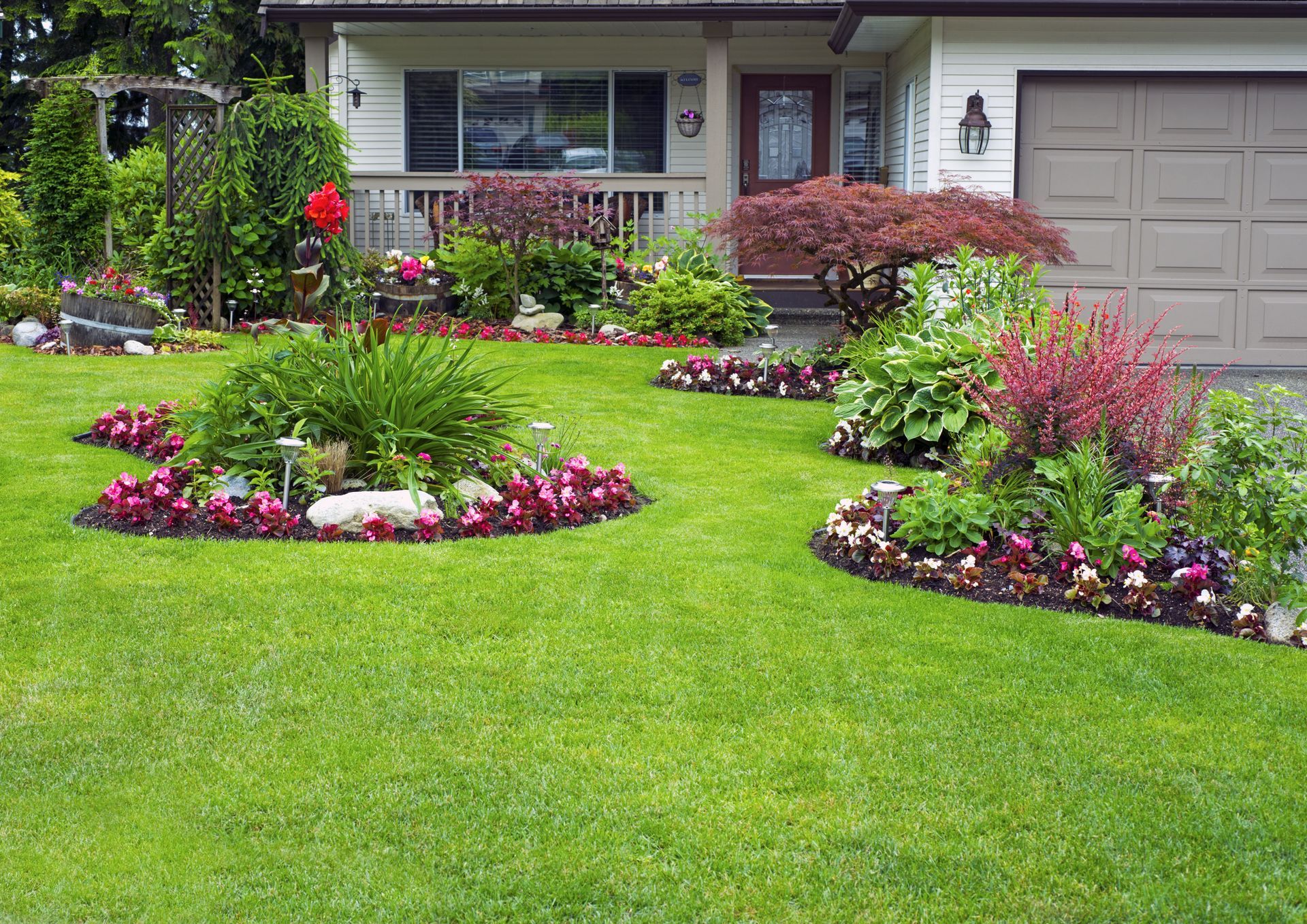
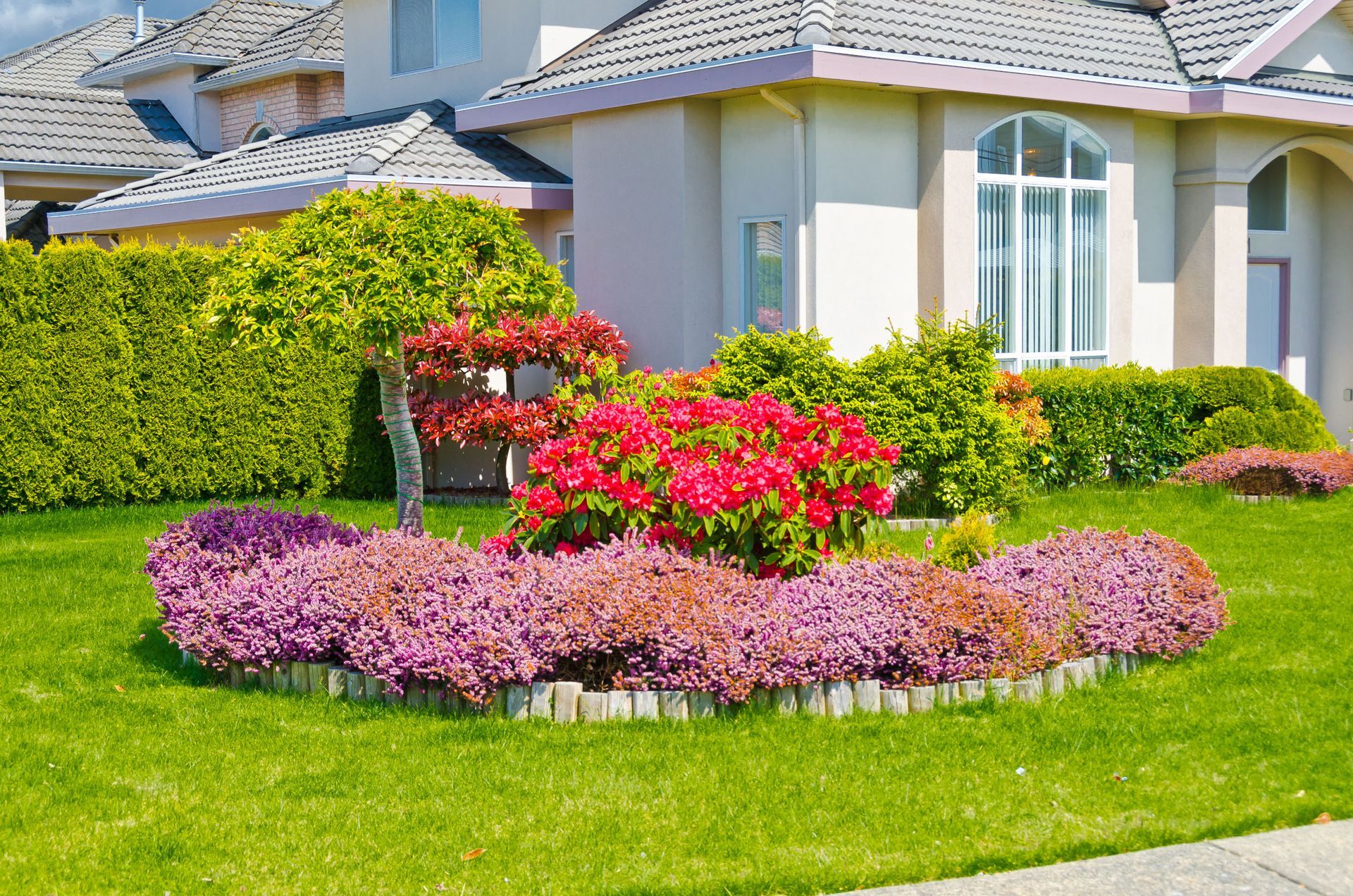
Landscape design brings those elements into balance. It helps determine which materials complement the home, which plants suit the conditions, and where decorative features will have the most impact. A thoughtful plan can also create smoother transitions between hardscaping and softscaping, so patios, walkways, lawns, and planting beds feel like part of the same space.
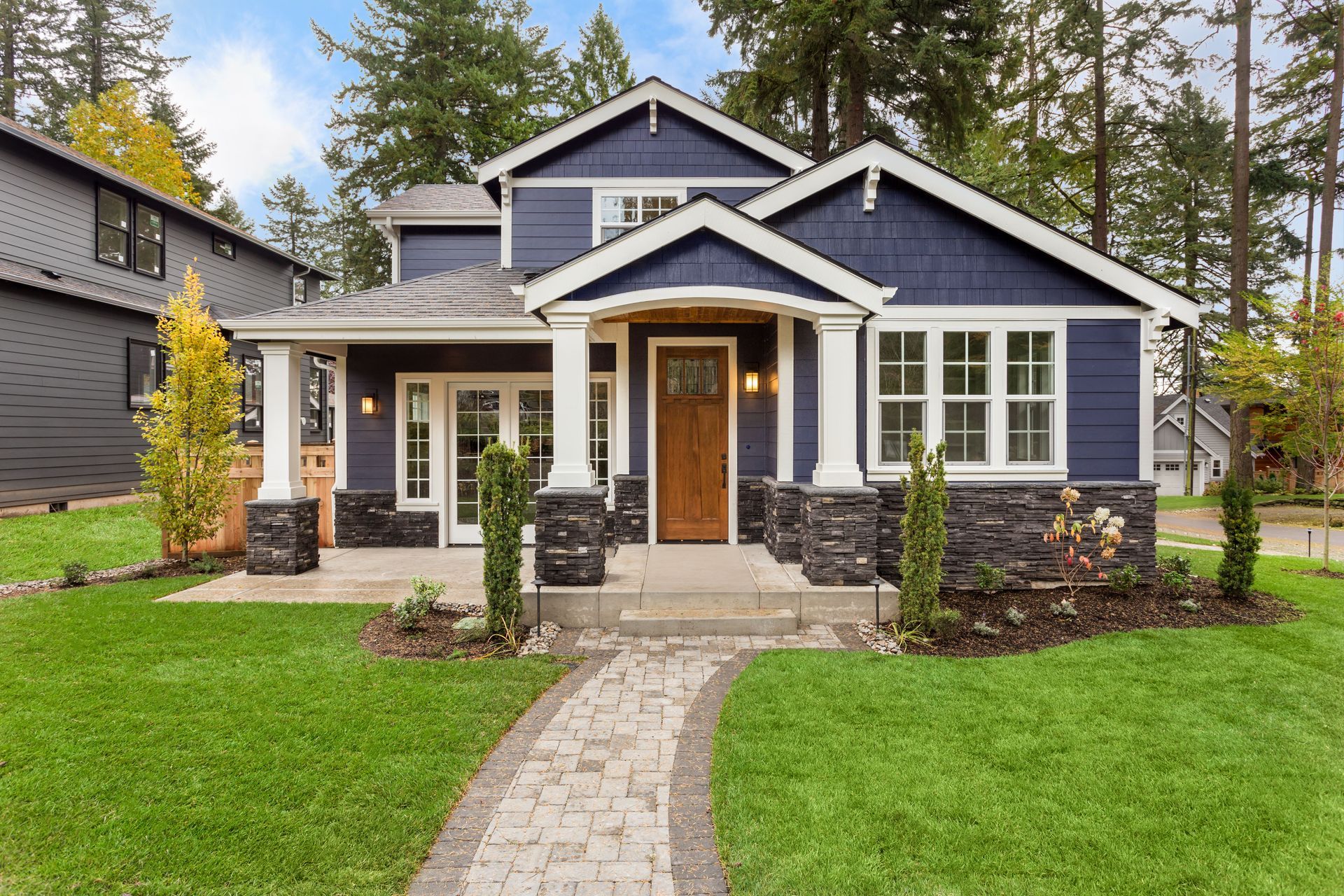
Front yards often need to frame the home, guide visitors to the entrance, and create a strong first impression. Backyards may need to support privacy, comfort, and recreation. Design keeps each area purposeful and connected.
Planning for Healthy Plant Growth
Plants are one of the most important parts of any outdoor project, but they need more than visual appeal to succeed. Soil conditions, sunlight, water needs, mature size, and local climate all influence whether a plant will thrive. Choosing plants only because they look good in the nursery can lead to overcrowding, high maintenance, or poor growth later.
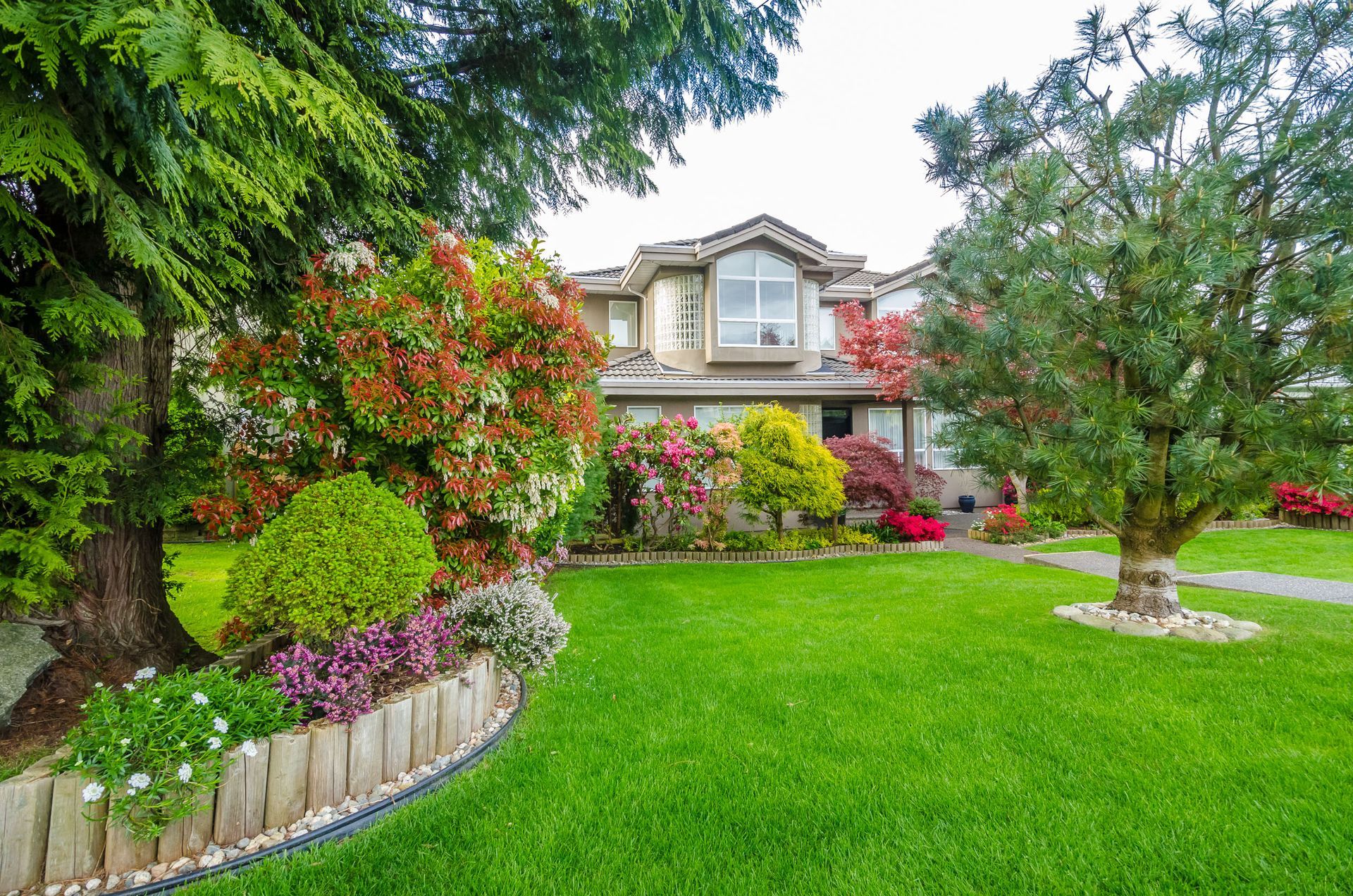
Landscape design supports healthier plant choices by matching greenery to the right locations. A sunny area may call for plants that tolerate heat and direct light, while a shaded corner may need varieties that can handle lower light. Designers can also consider bloom times, textures, heights, and seasonal interest to keep the landscape attractive throughout the year.
Planning for mature growth is also essential. Small shrubs and young trees may look modest at first, but they can quickly outgrow tight spaces if they are not placed correctly. A strong design accounts for how the landscape will look now and how it will mature over time.
Managing Budget and Project Priorities
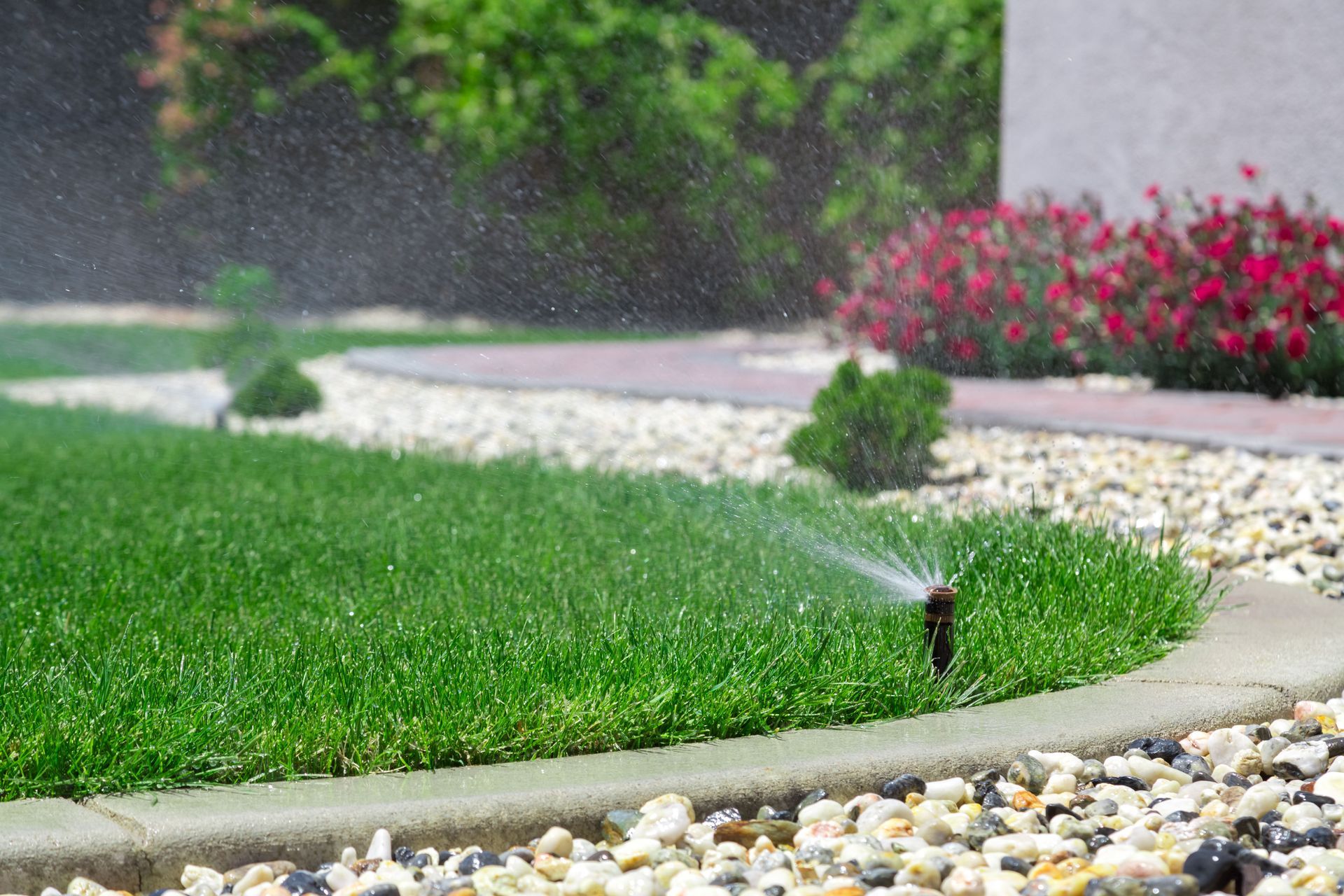
Outdoor ideas can grow quickly. A homeowner may start with a patio and then realize they also want lighting, retaining walls, new beds, irrigation, or updated walkways. While these additions can all be valuable, they need to be prioritized so the project stays manageable.
Landscape design helps homeowners understand what should come first. Some elements may need to be completed before others because of grading, drainage, access, or installation order. For example, it may make sense to build hardscaping before installing delicate plants, or to address water flow before adding new beds.
This planning can also help property owners phase the project over time. A complete design allows homeowners to see the bigger picture, even if they complete the work in stages. That way, each phase supports the next one, and the final result still feels cohesive.
The demand for professional outdoor work also shows how many property owners value planned, functional spaces. According to Nipgroup.com, the U.S. landscaping services industry includes more than 726,000 businesses and generates nearly $200 billion in annual revenue. Careful planning helps each project make better use of time, money, and available space.
Enhancing Long-Term Property Appeal
A well-designed outdoor space can make a property feel more polished, welcoming, and complete. It can improve the look of the home from the street, create more usable living space, and make everyday outdoor time more enjoyable. These benefits are especially valuable when the design fits the property rather than following trends that may not suit the home.
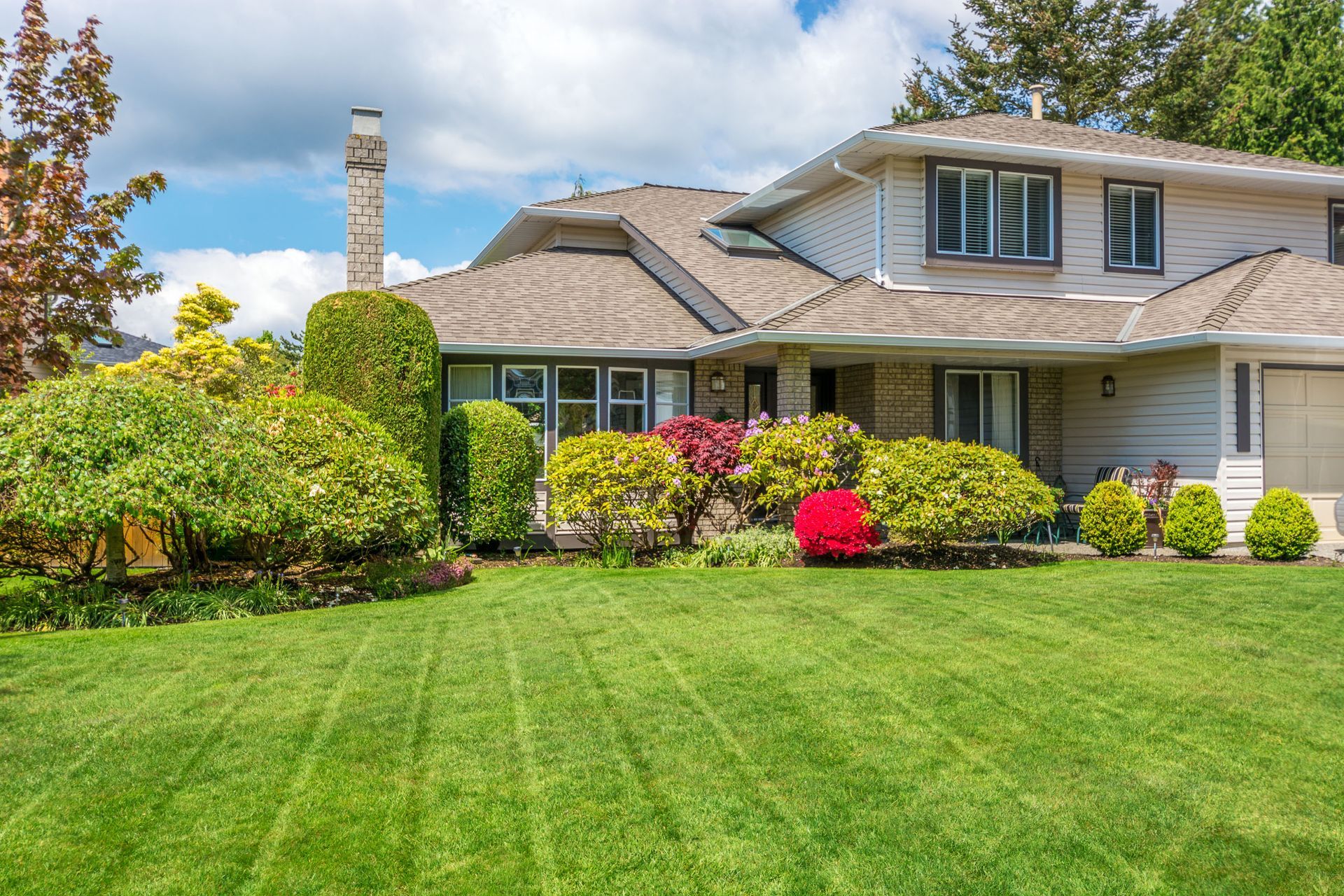
Landscape design also helps create a sense of harmony between the house and yard. Materials can be selected to complement the home’s exterior, plantings can soften architectural lines, and walkways can guide movement naturally. Together, these details make the property feel more refined.
Long-term appeal also depends on maintenance. A design that looks beautiful but requires more care than the homeowner can manage may become stressful over time. By considering upkeep from the beginning, homeowners can choose layouts, plants, and features that match their lifestyle.
Bringing Outdoor Ideas Together
The best outdoor spaces are not built from random ideas. They come from thoughtful planning, practical choices, and a clear understanding of how the property should look and function. Landscape design gives homeowners a way to bring inspiration into focus, compare options, and make decisions with greater confidence.
Whether the goal is a peaceful retreat, a welcoming front yard, a family-friendly backyard, or a more polished commercial exterior, design creates the foundation for success. It helps transform scattered ideas into a plan that supports beauty, comfort, movement, and long-term value.
When homeowners work with professionals, they can also better understand what is realistic for their property. Drainage concerns, soil conditions, grading, plant placement, and material choices can all affect the outcome. With the right guidance, the finished space can reflect the original vision while still working well in real life.
Outdoor improvements are easier to enjoy when they are planned with care from the beginning. A strong design helps every part of the project feel connected. Call Pacific Style Landscapes, Inc. today to schedule your landscaping service.
Share On: