
Lawn Maintenance Hacks for Busy Homeowners
Maintaining a beautiful lawn can be time-consuming, especially for homeowners balancing work, family responsibilities, and other commitments. Fortunately, a practical routine can keep outdoor areas healthy without consuming every weekend. By understanding the lawn’s basic needs, automating repetitive tasks, and focusing on preventative care, homeowners can create an attractive yard with less effort. A professional landscape maintenance service can also handle demanding or specialized tasks while helping homeowners follow a consistent seasonal plan.
Understand Your Lawn’s Specific Needs
Efficient lawn care begins with understanding the conditions that affect grass growth. Soil quality, grass type, local climate, sunlight, drainage, and foot traffic all influence the amount of care a yard requires. Instead of applying the same products and techniques everywhere, homeowners should evaluate their property and develop a routine suited to its specific conditions.
Soil testing is an excellent starting point because it identifies nutrient deficiencies and pH imbalances. A simple test can prevent unnecessary fertilizer applications and reveal whether the soil needs lime, compost, or another amendment. Knowing the grass variety is equally important. Cool-season and warm-season grasses have different mowing heights, growth periods, and watering needs. A landscape maintenance service can evaluate these details and recommend treatments based on the lawn’s actual condition rather than relying on guesswork.
Set Realistic Lawn Care Goals
Not every homeowner needs a perfectly uniform lawn. Before investing time and money, determine how the yard will be used. A household with children or pets may prioritize durability, while another homeowner may focus on appearance, pollinator-friendly areas, or low water consumption. Clear goals make it easier to decide which tasks deserve attention.
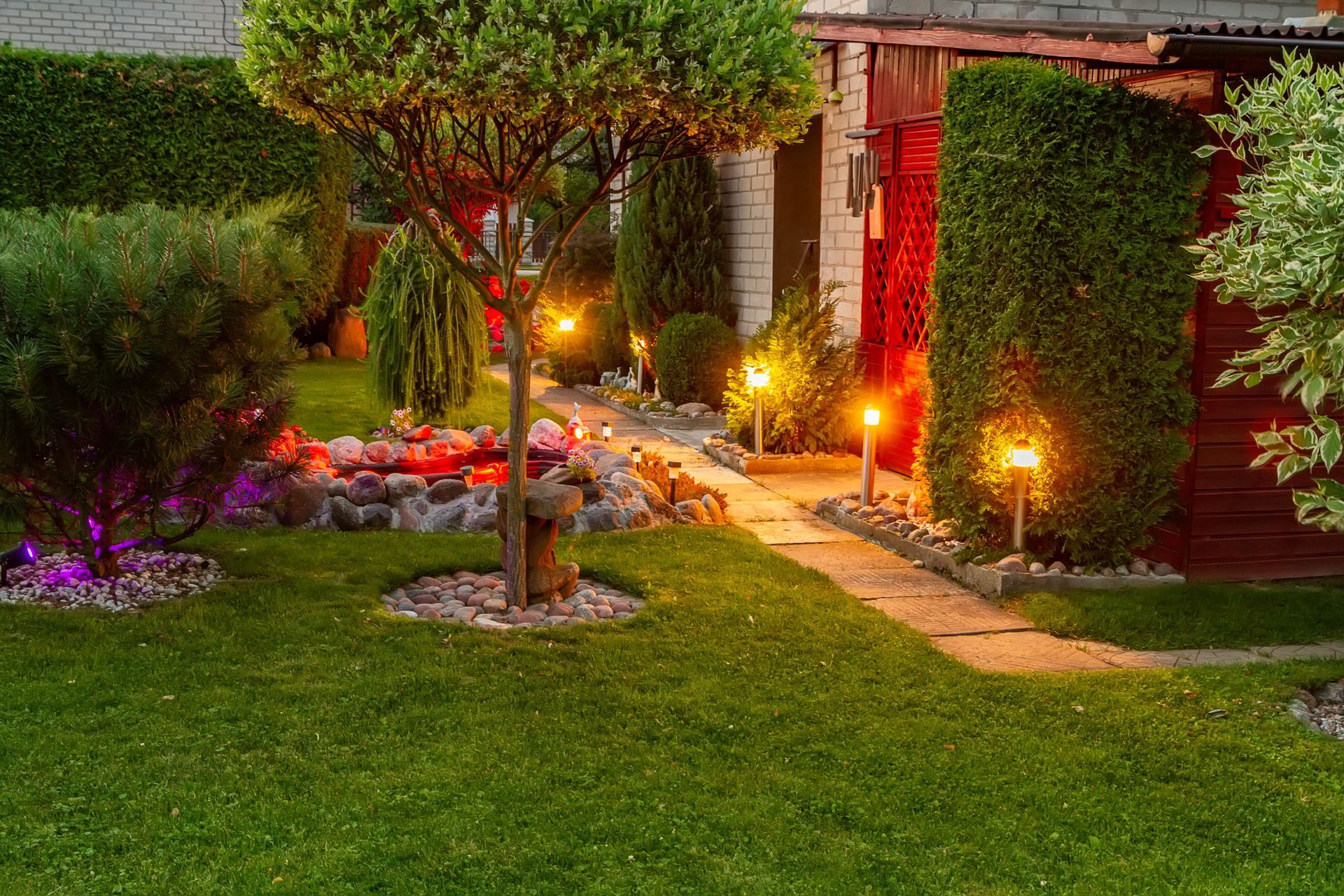
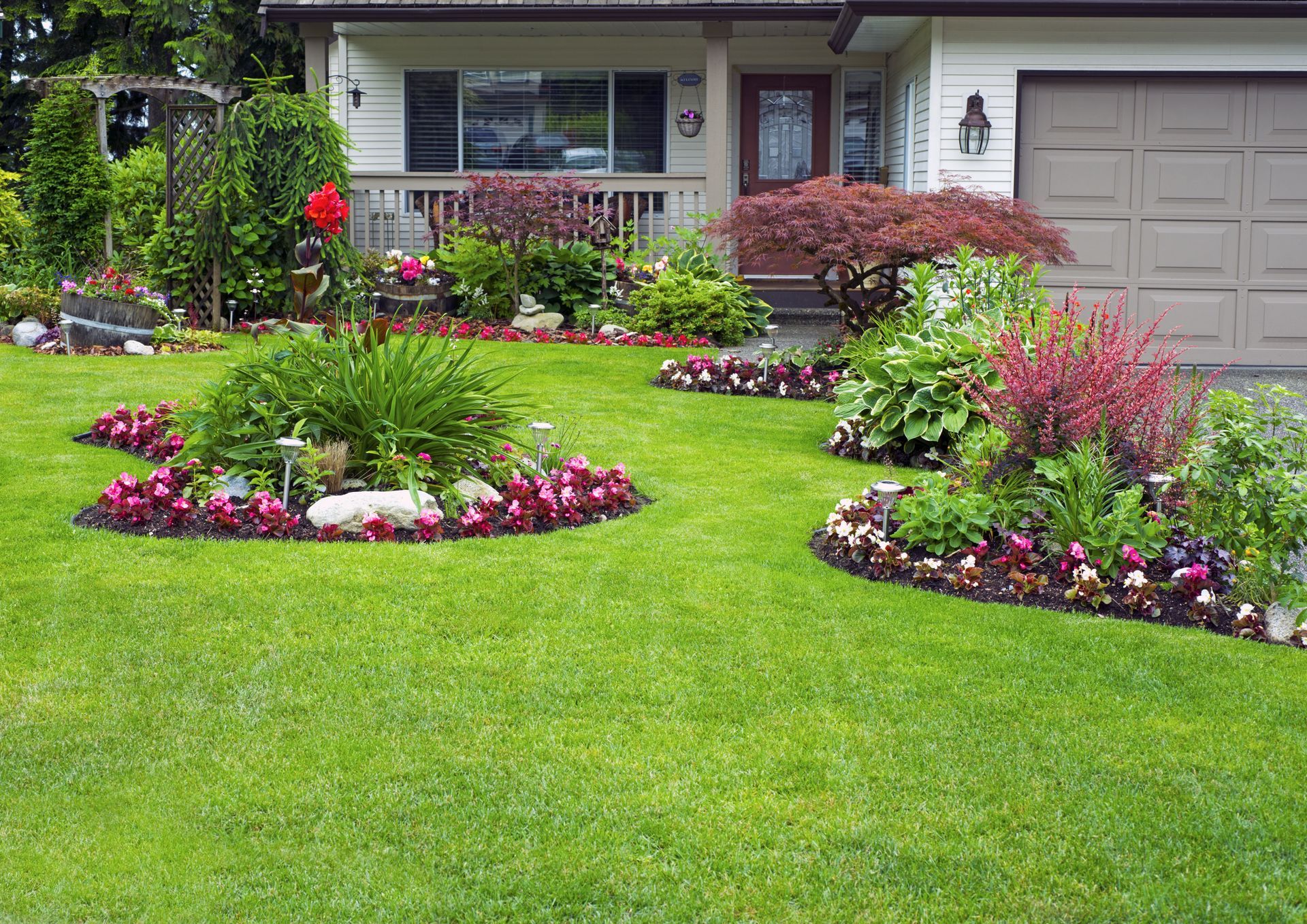
Reducing the amount of traditional turf can also lower maintenance demands. Garden beds, native plants, decorative stone, pathways, and mulched areas require less mowing and can add visual interest. Homeowners can also allow less visible sections of the property to grow more naturally. These choices create a manageable landscape rather than one that constantly demands trimming, watering, and fertilizing.
Use More Efficient Mowing Techniques
Mowing correctly supports healthy grass while reducing future work. Grass that is cut too short becomes stressed and may develop shallow roots, bare spots, or weed problems. Homeowners should follow the recommended cutting height for their grass variety and avoid removing more than one-third of the blade during a single mowing session.
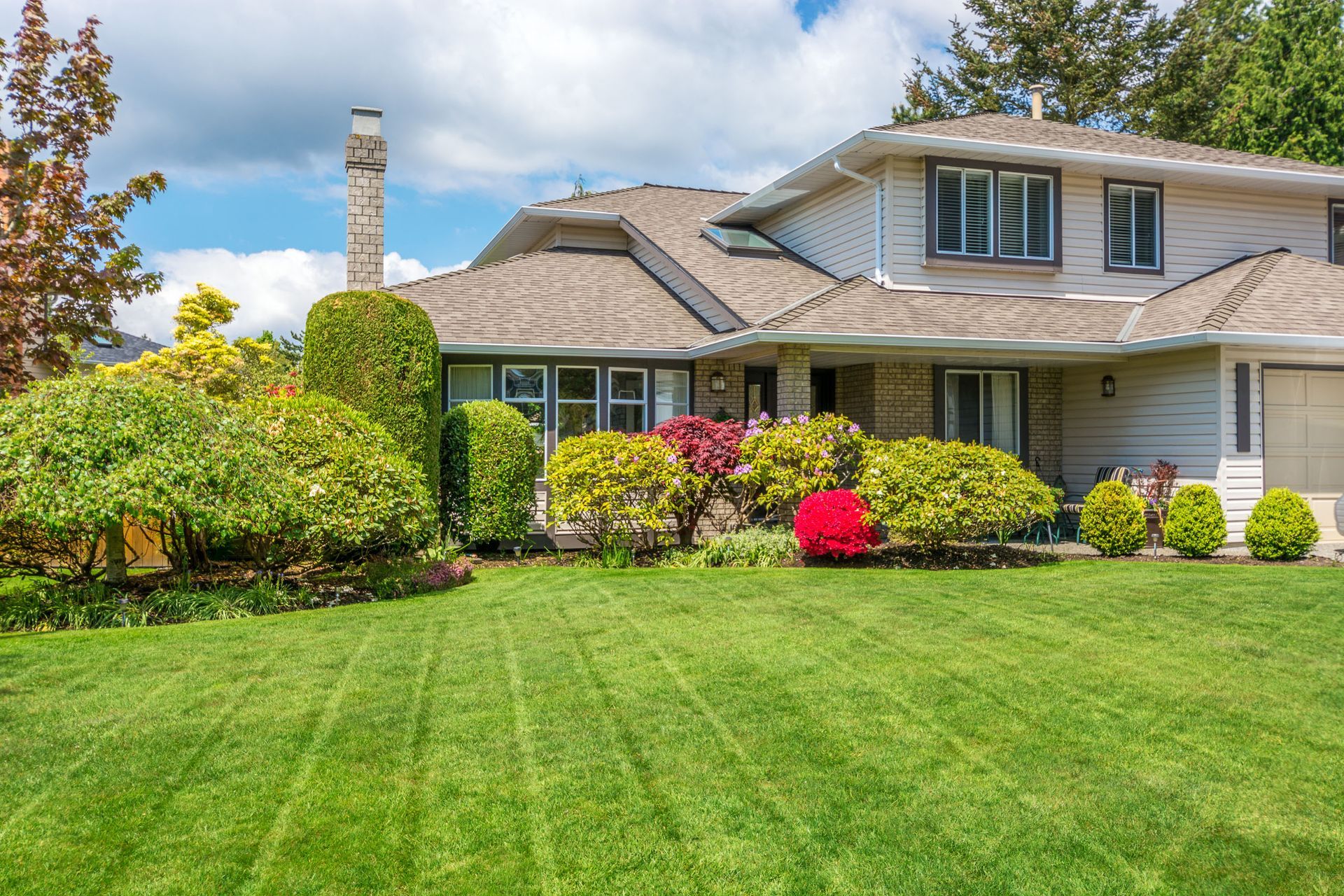
Sharp mower blades are essential because dull blades tear grass instead of cutting it cleanly. Torn blades lose moisture more quickly and become vulnerable to disease. Sharpening the blades periodically improves the lawn’s appearance and may reduce the need to mow the same areas repeatedly. Alternating mowing directions also prevents soil compaction and keeps grass from leaning permanently in one direction.
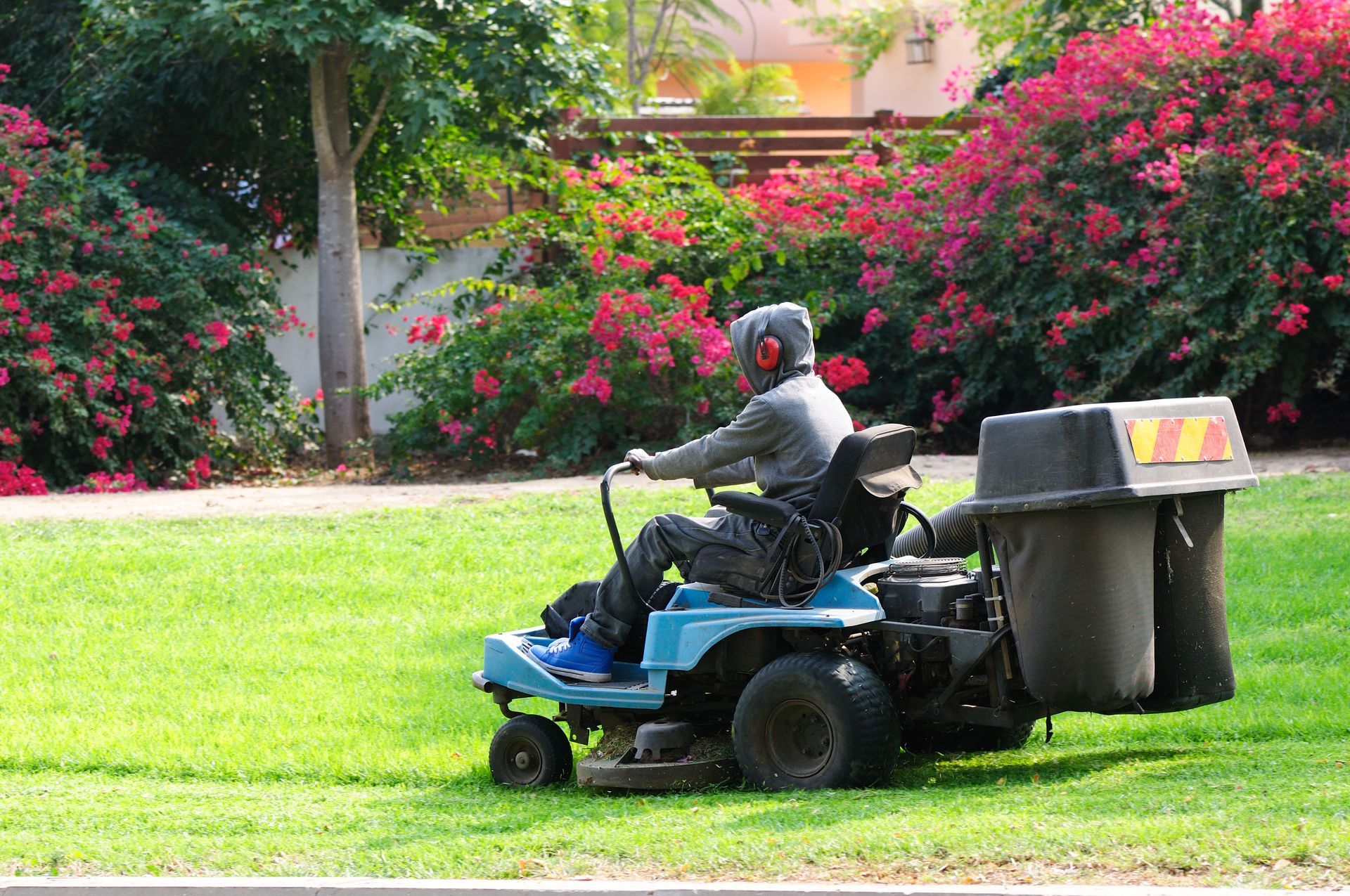
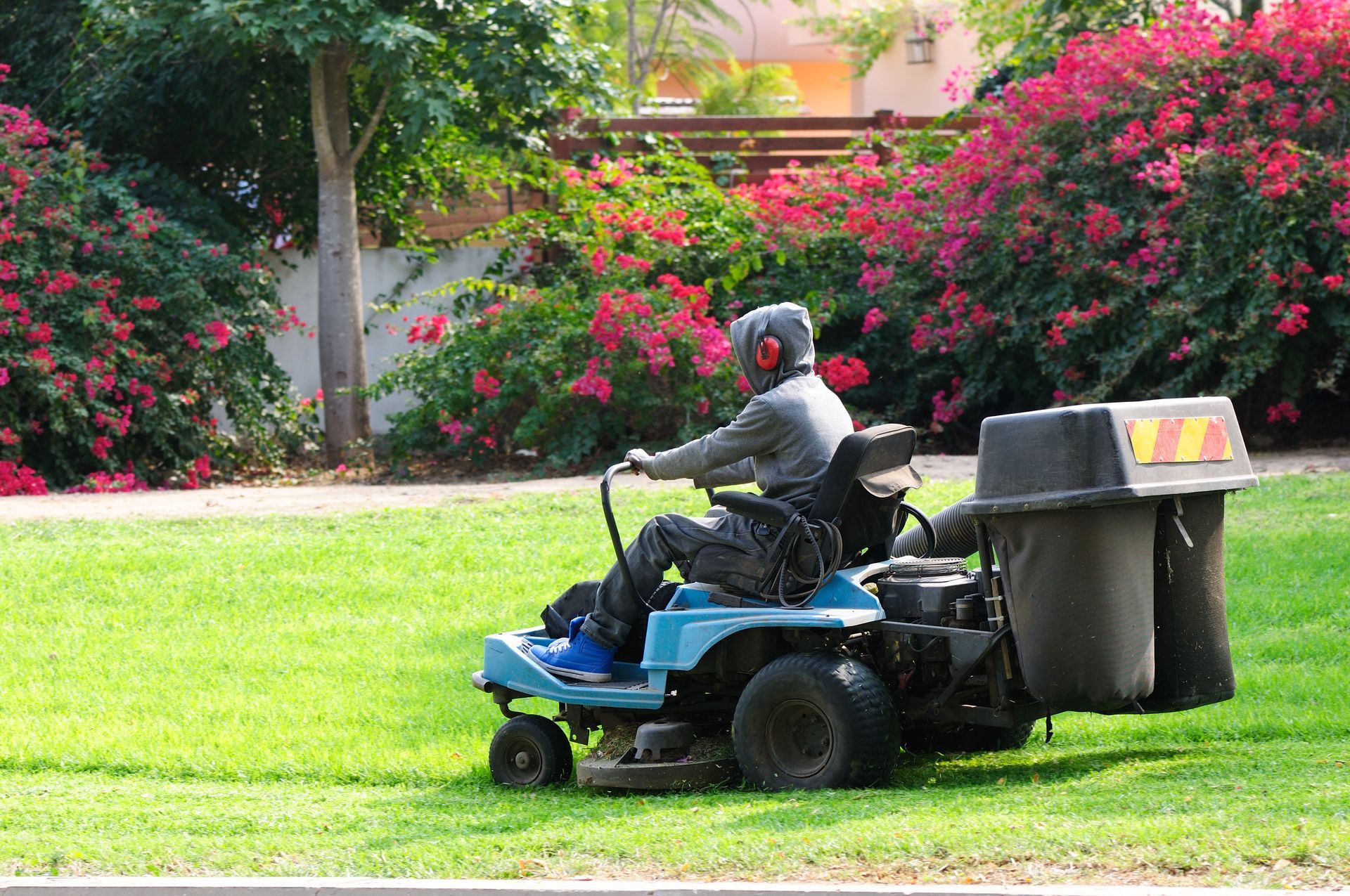
Choosing equipment that matches the property can save significant time. Push mowers work well for smaller yards, while riding mowers are more efficient for large areas. Robotic mowers can maintain grass automatically on compatible properties. Homeowners who do not want to purchase or maintain equipment may find that a landscape maintenance service offers a more convenient option.
Leave Grass Clippings When Appropriate
Grasscycling is one of the easiest ways to shorten a mowing routine. Instead of collecting and bagging clippings, homeowners can leave short clippings on the lawn. They decompose quickly and return nutrients to the soil, reducing waste and supporting healthy growth.
Clippings should only be removed when they are excessively long, wet, diseased, or gathered in heavy piles. Thick clumps can block sunlight and trap moisture against the grass. Regular mowing prevents this issue and allows clippings to spread evenly. This simple practice eliminates bagging time and reduces the amount of fertilizer the lawn may require.
Automate the Watering Schedule
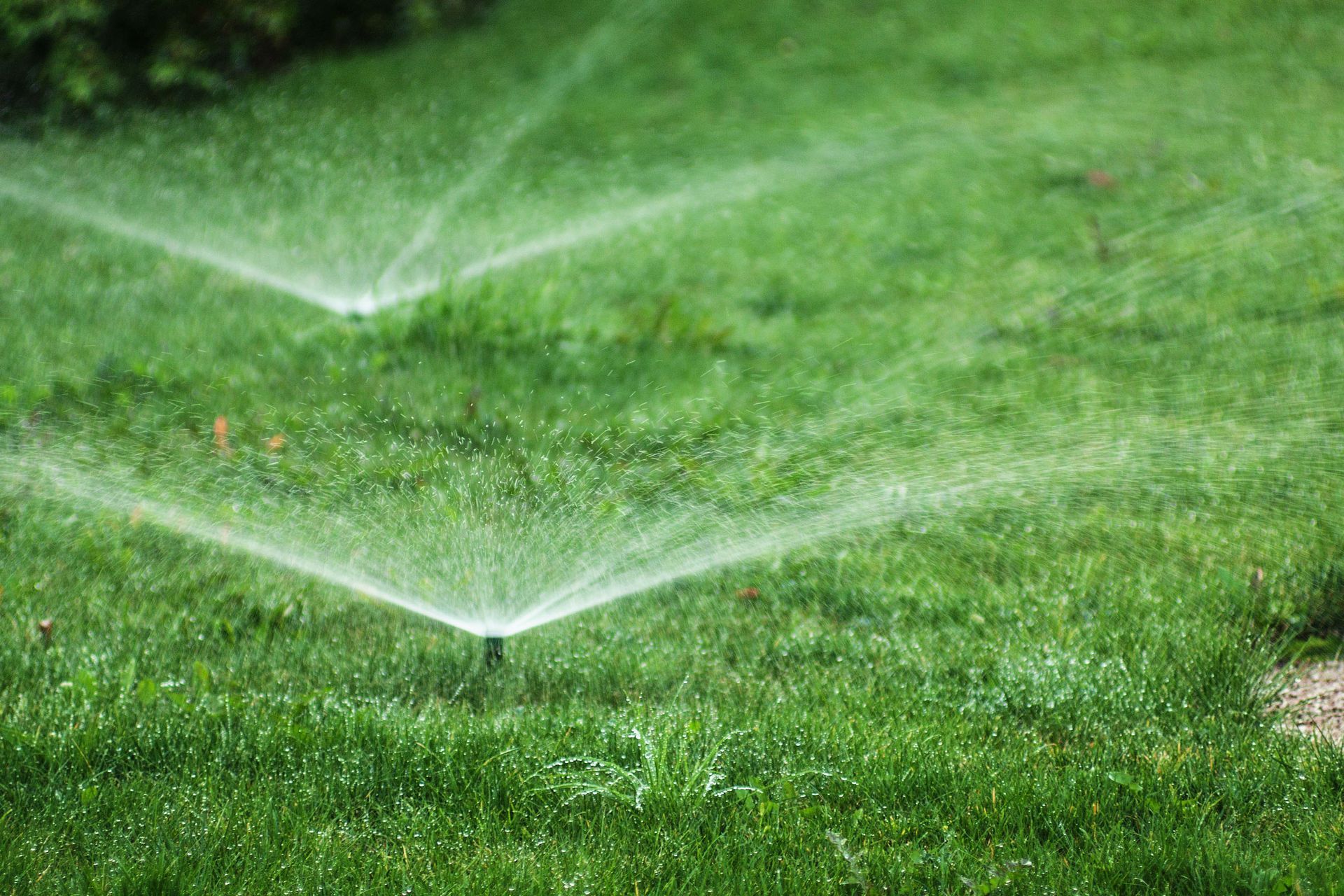
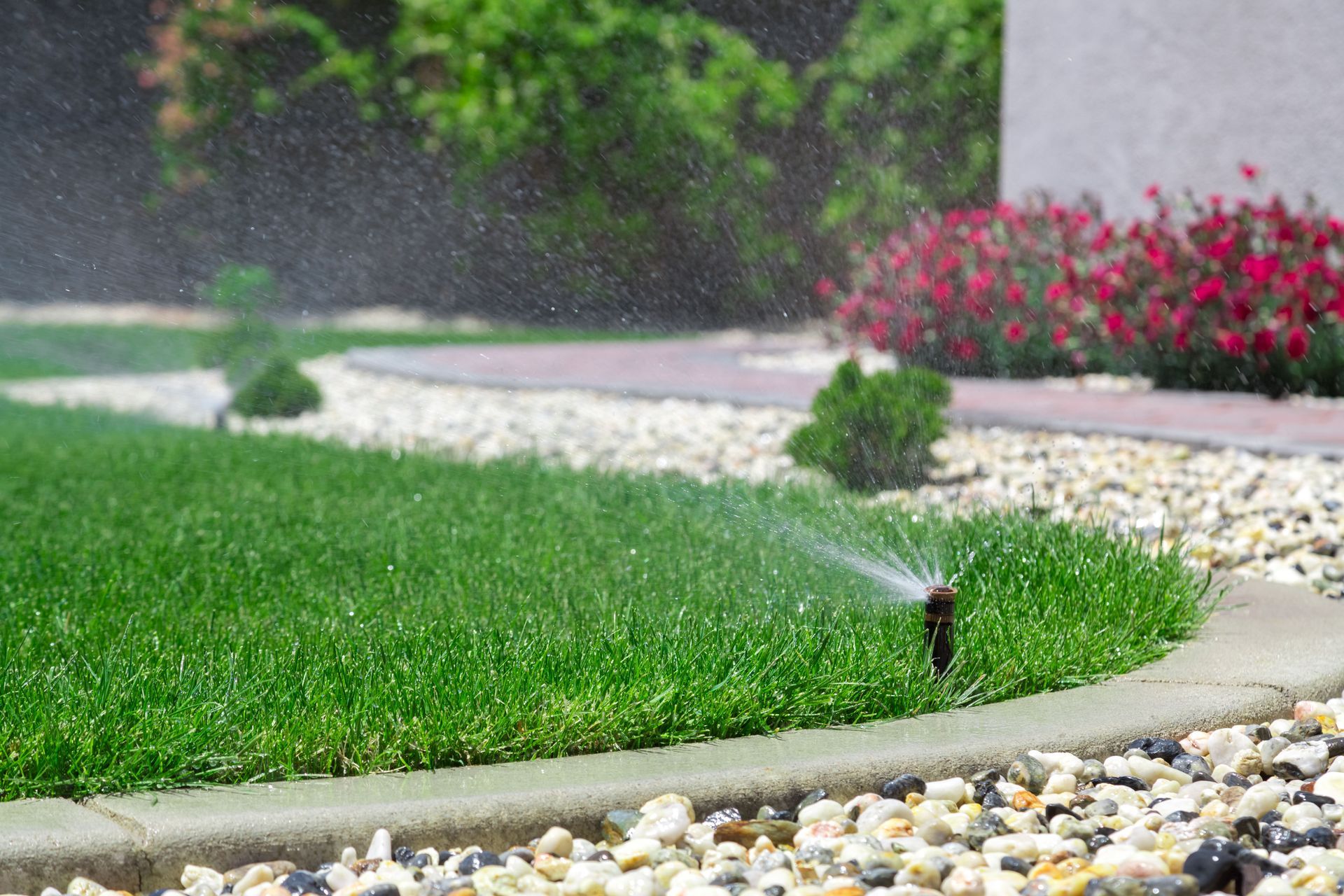
Automatic irrigation systems can dramatically reduce the time required for watering. Timers and smart controllers deliver water on a preset schedule, while advanced systems can adjust operation based on rainfall, temperature, or soil moisture. Automation also prevents homeowners from forgetting to water during dry periods.
Early morning is generally the most effective watering time because temperatures are cooler and wind is often limited. Watering during the middle of the day increases evaporation, while frequent evening watering may leave grass wet overnight and encourage fungal growth. Deep, occasional watering is typically more beneficial than shallow daily watering because it encourages roots to grow farther into the soil.
Sprinklers should be inspected regularly for leaks, clogged heads, and poor alignment. Water landing on sidewalks or driveways increases utility costs without helping the lawn. A landscape maintenance service can inspect irrigation coverage and make adjustments that improve efficiency throughout the property.
Watch for Watering Problems
Recognizing signs of improper watering helps homeowners correct problems before the lawn suffers extensive damage. Grass that appears wilted, grayish, or slow to spring back after being stepped on may need water. Excessively wet soil, standing water, mushrooms, or spongy turf may indicate overwatering or poor drainage.
Rain barrels can provide supplemental water for garden beds and smaller landscape areas. Mulch also helps retain soil moisture around trees and plants, reducing the need for frequent irrigation. Improving compacted soil through aeration can help water penetrate the ground rather than running across the surface.
Simplify Fertilizer Applications
Fertilization should support the lawn rather than create unnecessary growth. Applying too much fertilizer can cause rapid blade development, which leads to more mowing and may weaken the root system. Soil test results should guide product selection and application rates.
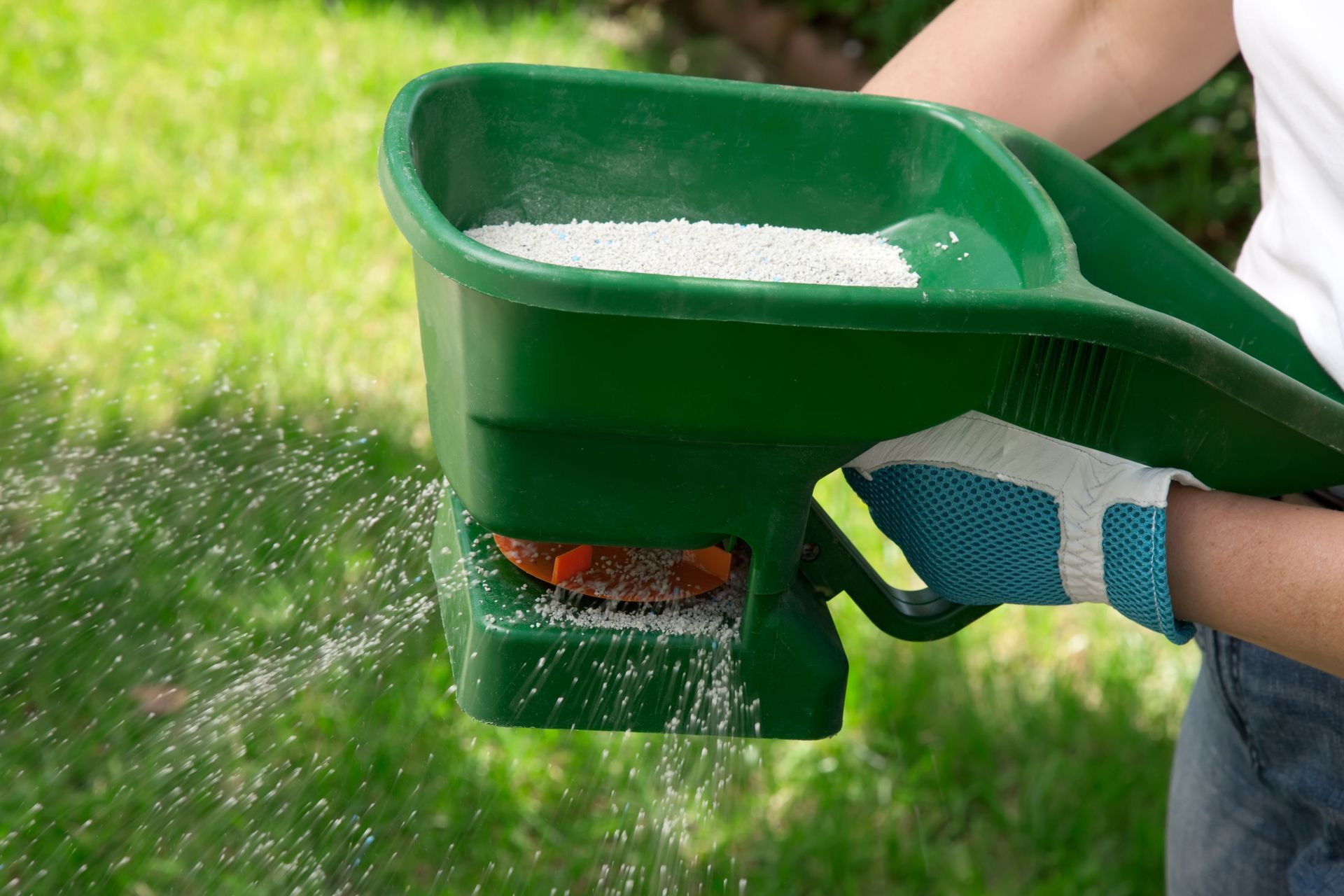
Slow-release fertilizers are useful for busy homeowners because they provide nutrients gradually and require fewer applications. Fertilizer should generally be applied during active growth periods rather than extreme heat, drought, or dormancy. Organic products, compost, and grass clippings can also improve soil quality with less reliance on synthetic materials.
According to Field Camp, 40% of Americans hire landscaping professionals to help with lawn care. Working with a landscape maintenance service can make fertilizer selection and scheduling easier while reducing the risk of overapplication, grass damage, or nutrient runoff.
Prevent Weeds Before They Spread
A dense, healthy lawn is one of the best defenses against weeds. Proper mowing, watering, and fertilization help grass fill available space, leaving fewer openings for unwanted plants. Bare areas should be reseeded or repaired promptly before weeds become established.
Pre-emergent treatments can prevent certain weed seeds from germinating when applied at the correct time. Existing weeds may be removed manually with a weeding tool, spot-treated, or managed with targeted products. Pulling weeds after rainfall is often easier because the soil is softer and roots are less likely to break.
Garden beds should be covered with an appropriate layer of mulch to suppress weeds and conserve moisture. Edging beds and pathways also creates a cleaner appearance and prevents grass from spreading into unwanted areas. Regular inspections make weed removal faster because small problems are easier to address than mature infestations.
Identify Pest Problems Early
Lawn pests can cause significant damage when they go unnoticed. Grubs, chinch bugs, armyworms, and other insects may create brown patches, thinning grass, or areas that lift easily from the soil. Homeowners should inspect suspicious sections before assuming the problem is caused by drought or disease.
Integrated pest management focuses on accurate identification, prevention, and targeted treatment. This approach avoids unnecessary pesticide use and reduces harm to beneficial insects. Correct mowing, irrigation, and soil care can also make the lawn less vulnerable to infestations. When damage is difficult to identify, a landscape maintenance service can determine the likely cause and recommend an appropriate response.
Homeowners should focus on practical improvements that support their goals and simplify ongoing work. Smart equipment, sustainable practices, and assistance from a landscape maintenance service can help create a vibrant outdoor area without sacrificing valuable free time. With a realistic plan, the lawn can remain attractive, functional, and resilient throughout the year. Contact our team at Pacific Style Landscapes, Inc today and learn more about our landscape services.

Share On: